
How to Brief a Custom Software Development Partner
A practical briefing template for founders and operators: problem, buyers, constraints, first release, and how to share enough context that a development partner can scope honestly.

Practical guides from Automative Tech engineers shipping custom web and mobile products with AI integrations — plus selected notes on blockchain, AI products, and cloud when they matter in production.

A practical briefing template for founders and operators: problem, buyers, constraints, first release, and how to share enough context that a development partner can scope honestly.


A decision framework for founders choosing between building an internal team and partnering with a custom software development firm — cost, speed, ownership, and when hybrid wins.


A buyer-side checklist for the first call with a custom development partner — fit, ownership, delivery cadence, AI capability, and the red flags that waste months.


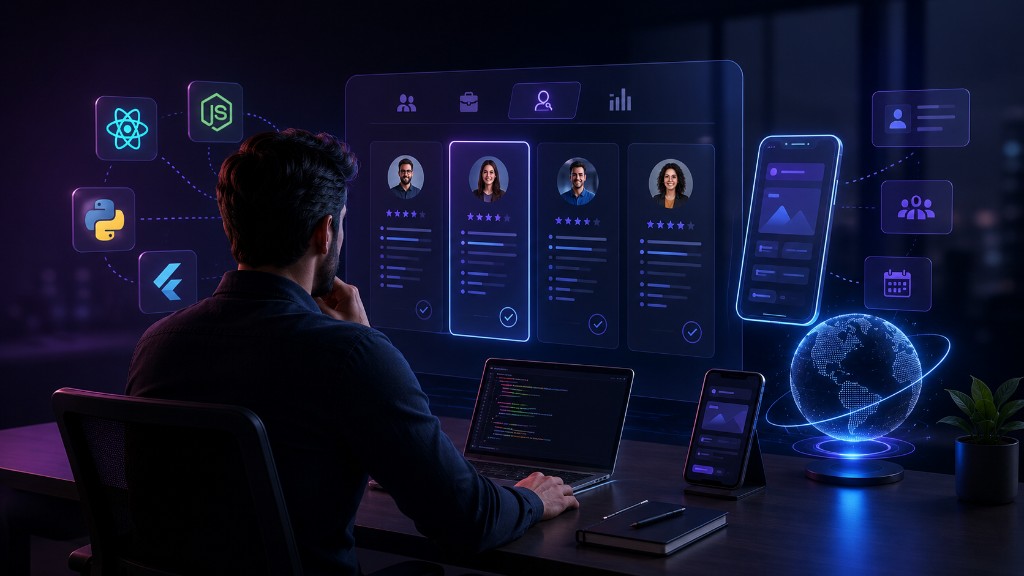
A practical hiring guide for founders choosing a custom web and mobile development partner — discovery, ownership, timelines, AI integrations, and how to evaluate fit before you sign.


A founder-friendly comparison of React Native and Flutter for startup mobile app development — team skills, native modules, hiring, performance, and long-term ownership.


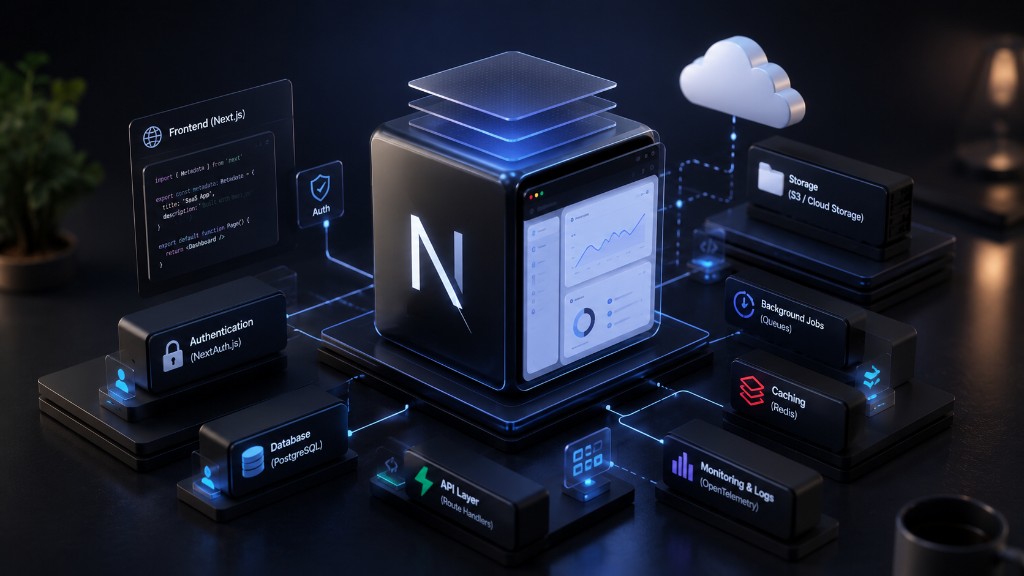
A practical checklist for shipping a custom SaaS web app with Next.js and TypeScript — auth, multi-tenancy, rendering strategy, and delivery habits that keep the product shippable.


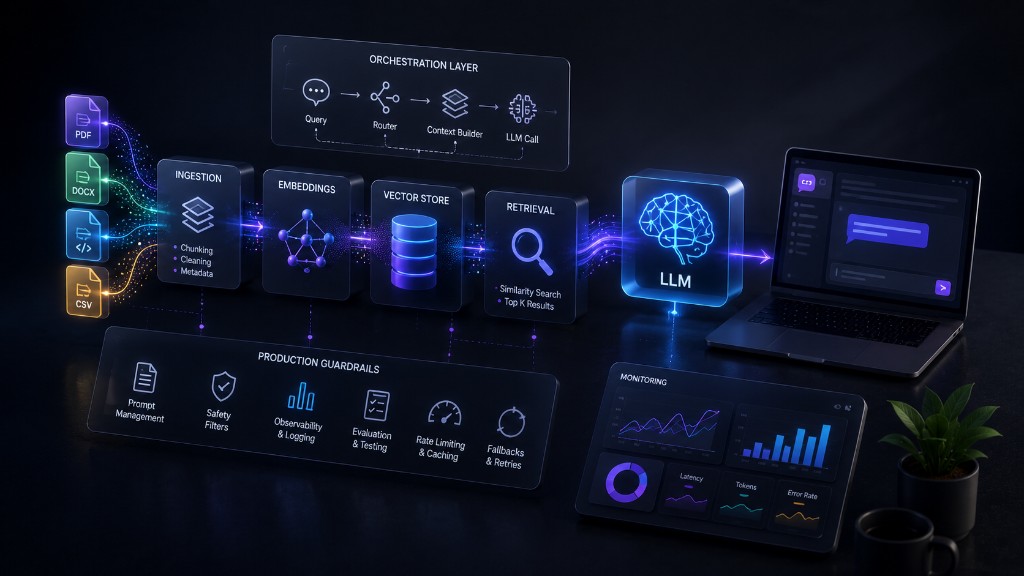
Practical strategies for deploying large language models in production without sacrificing reliability, latency, or cost — from RAG pipelines to fine-tuning and fallbacks.


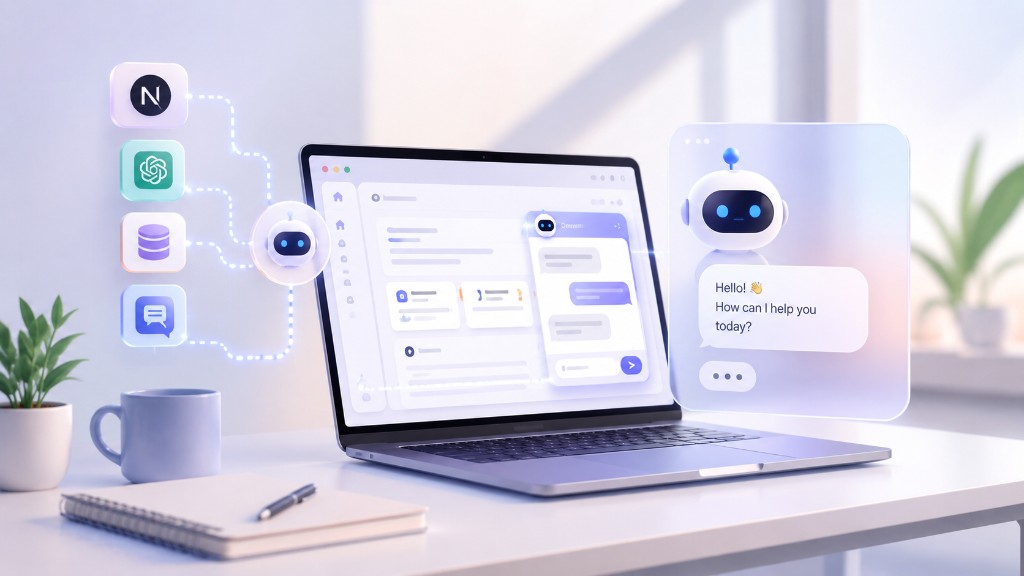
A production guide to embedding an LLM assistant in Next.js SaaS — streaming, tenant-scoped RAG, permissions, cost controls, evals, and safe fallbacks.


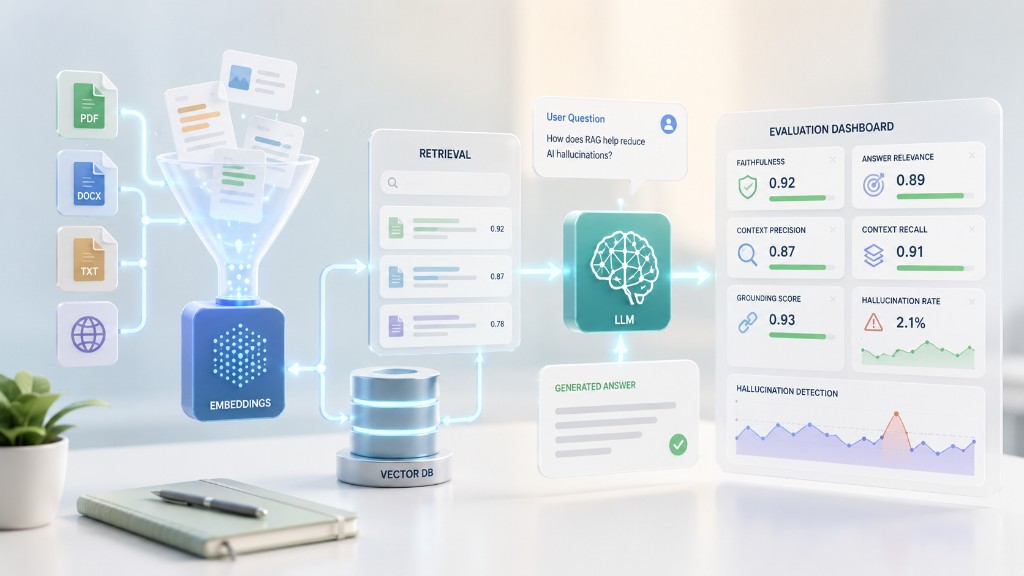
Golden sets, hybrid retrieval metrics, and regression gates that catch hallucinations before they reach production users of your AI features.


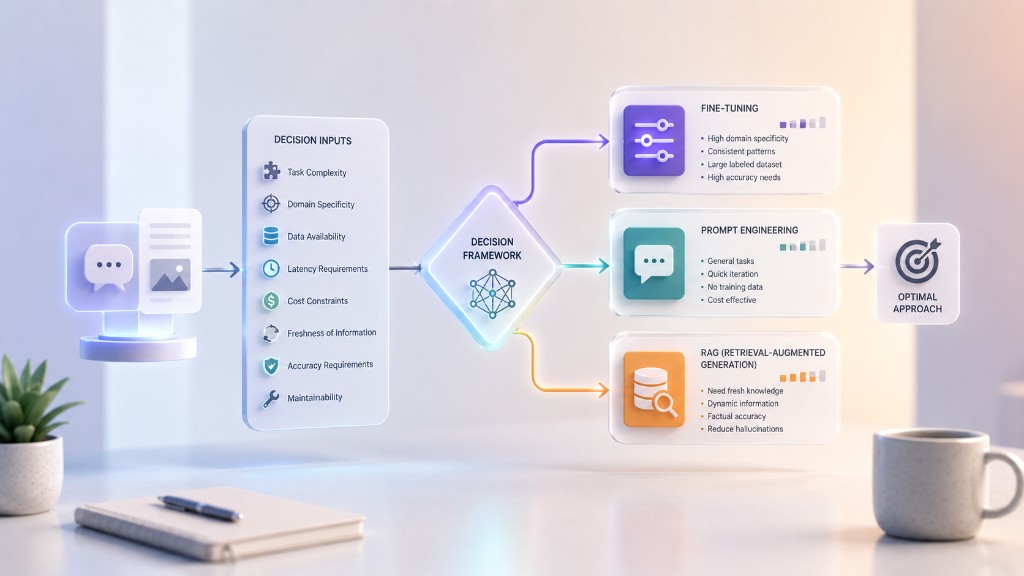
When to stay with prompts, when to fine-tune, and when retrieval alone is enough — based on cost, latency, data quality, and ops burden.


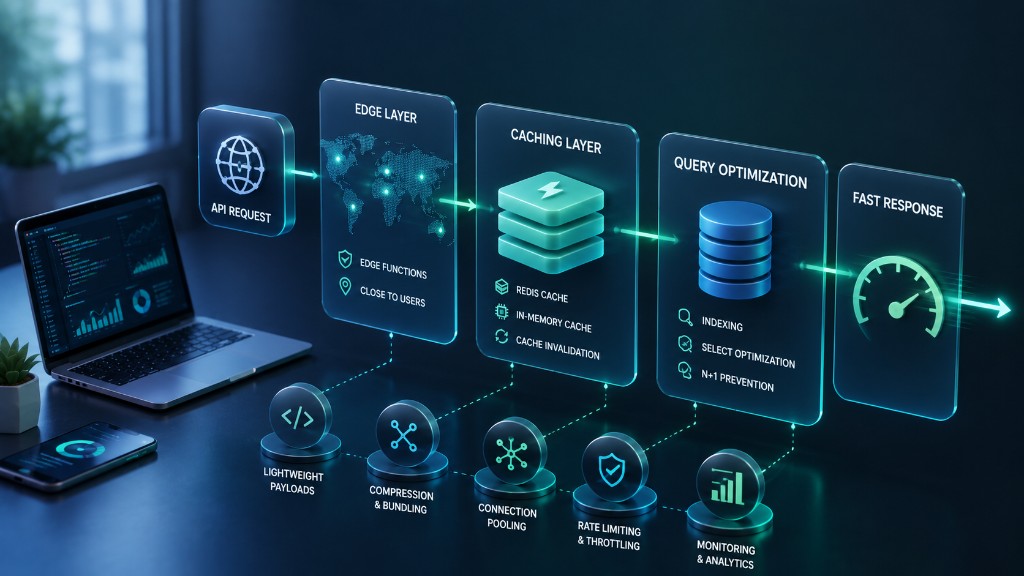
Caching strategies, database query optimisation, and edge patterns that reduce wait time on high-traffic API endpoints — measured with traces, not guesswork.


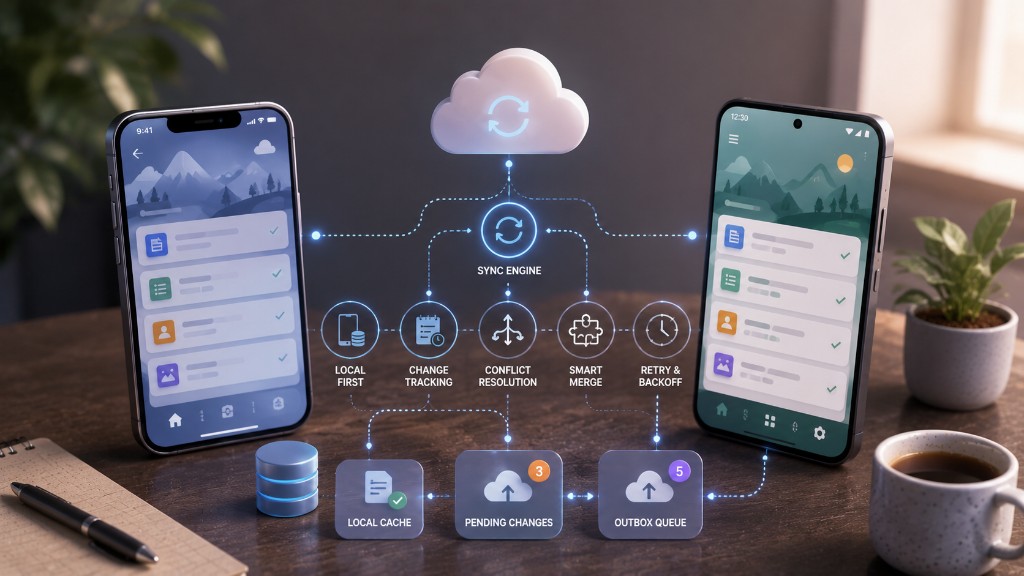
Conflict resolution, optimistic UI, and background sync strategies that keep field teams productive without a reliable network signal.


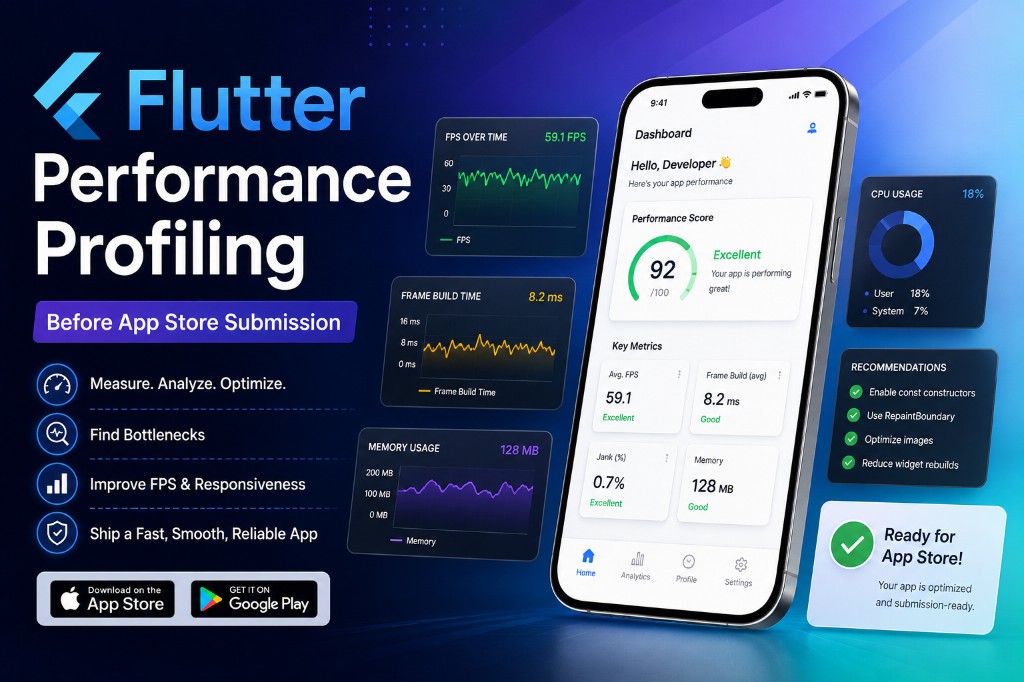
Shader jank, rebuild storms, and a practical Flutter profiling workflow before App Store or Play Store submission.


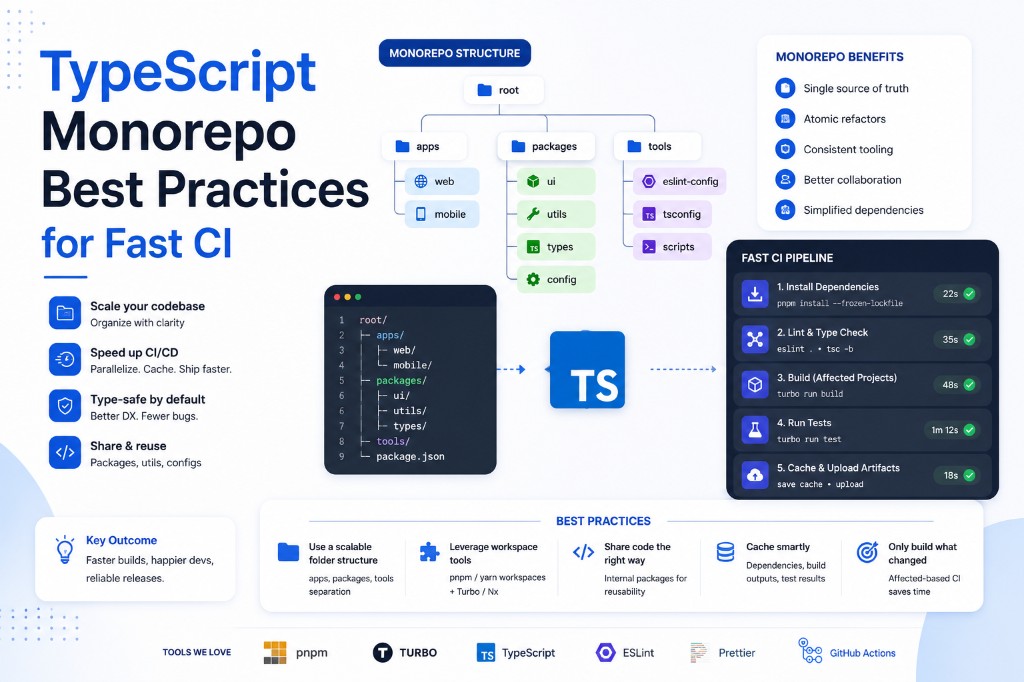
Project references, incremental builds, and package boundaries that keep CI under ten minutes as your TypeScript codebase grows.


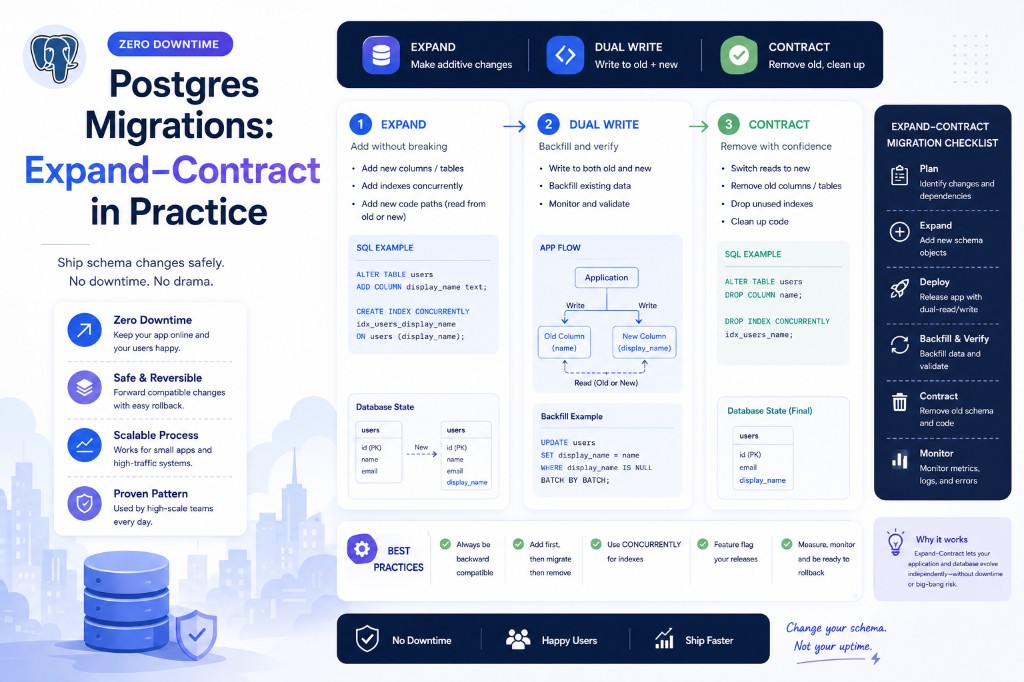
Expand-contract patterns, lock budgets, and sequencing patterns for migrating large Postgres tables without freezing writes in production.


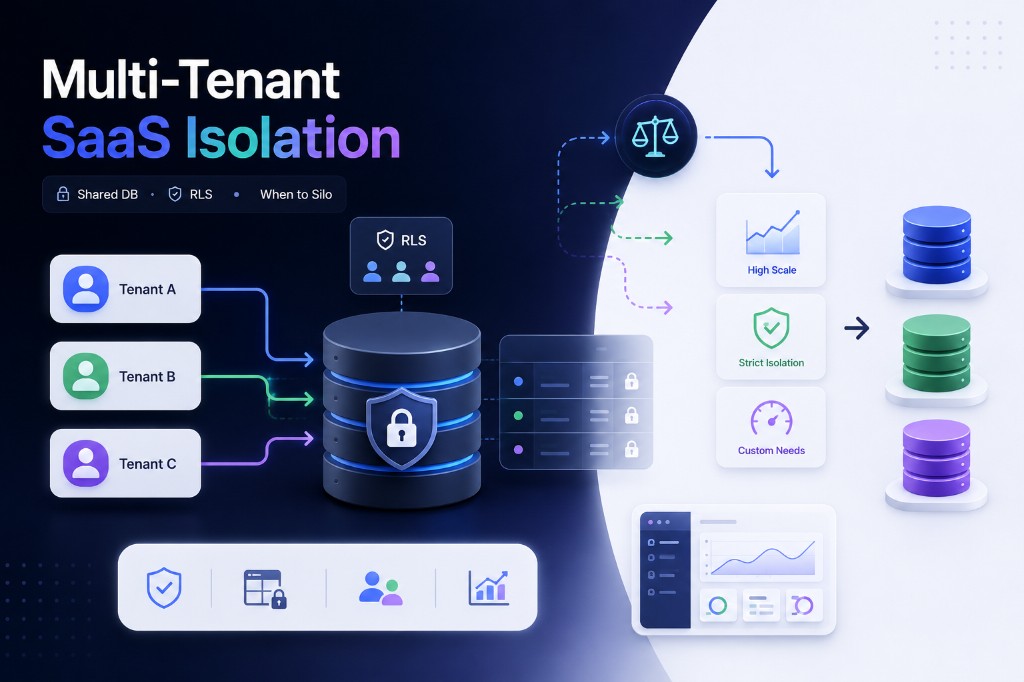
Shared databases vs siloed tenants, row-level security, and how we choose isolation models for compliance-heavy B2B SaaS clients.


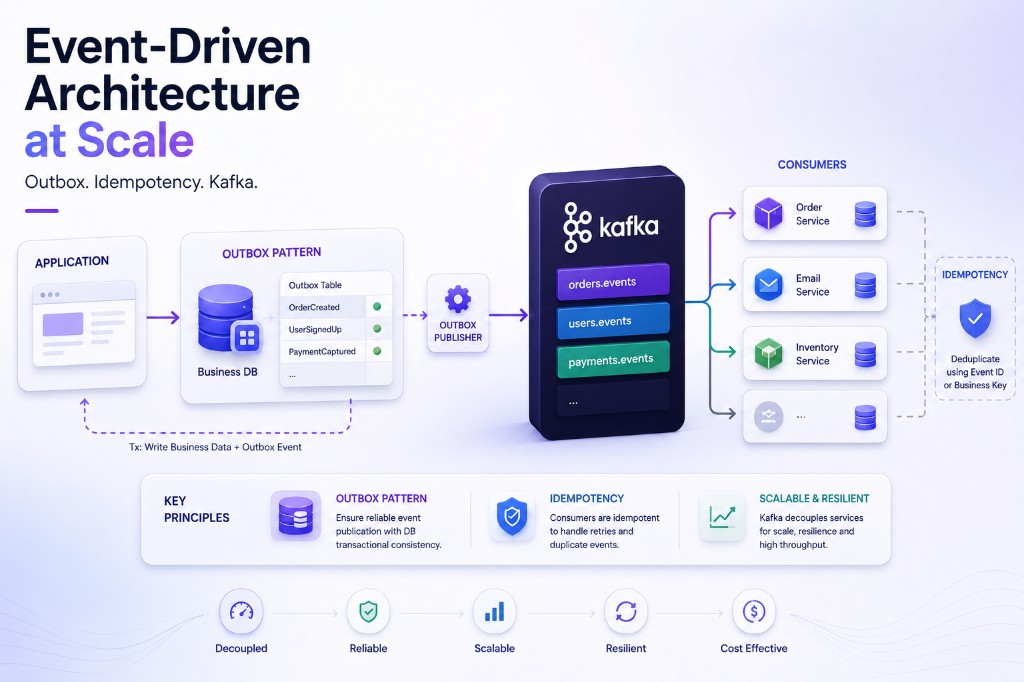
How we design pub/sub systems, outbox patterns, and idempotent consumers so message storms do not become outages during peak traffic.


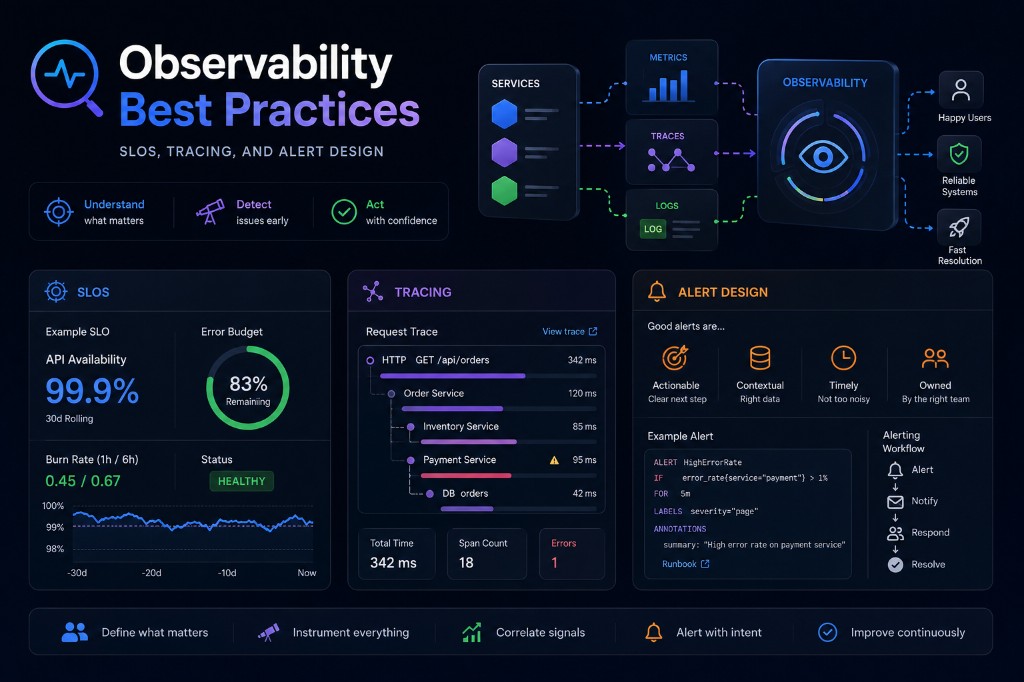
SLOs, tracing sampling, and alert design that reduce noise while cutting mean time to recovery on real production incidents.


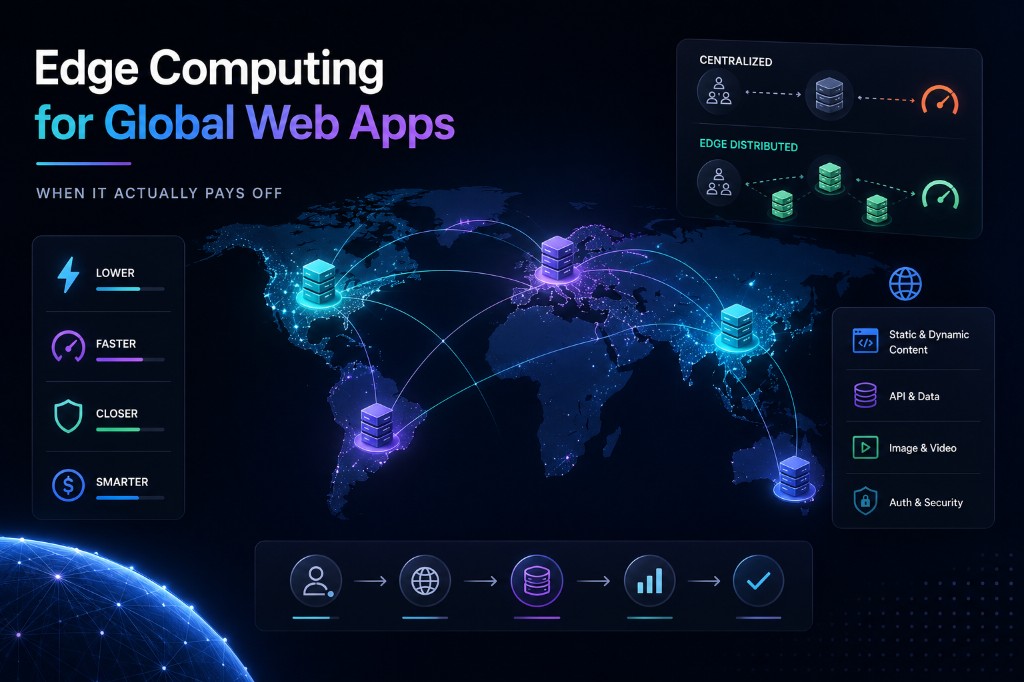
When to push logic to the edge, when to keep it in region, and the consistency trade-offs to document up front for global products.


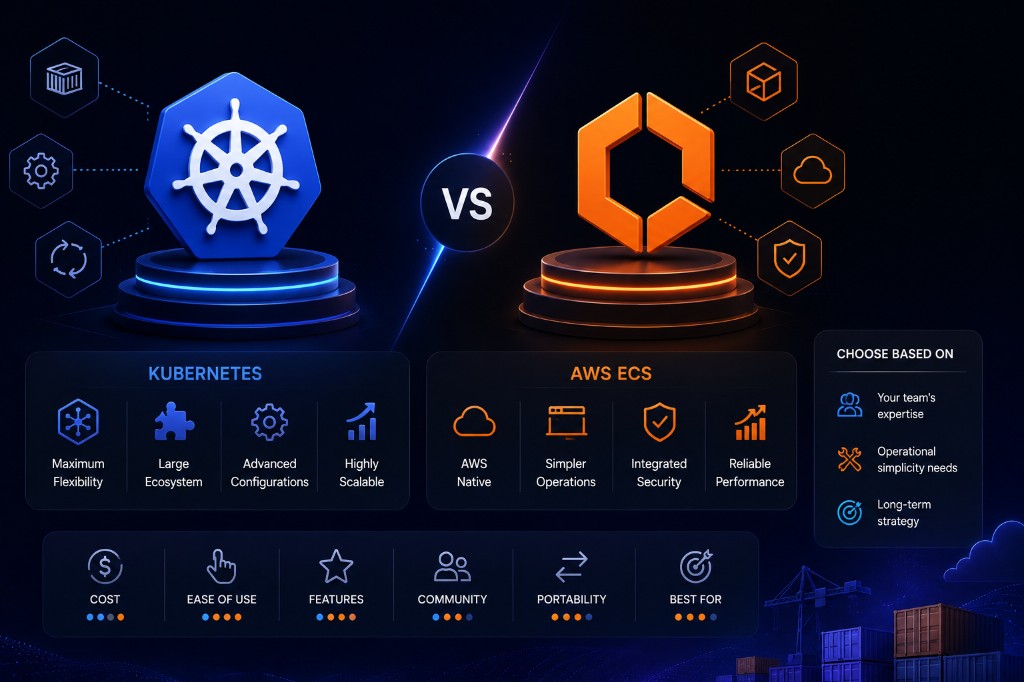
A pragmatic comparison of Kubernetes vs AWS ECS based on team size, budget, operational burden, and when each option fits a product team shipping on AWS.


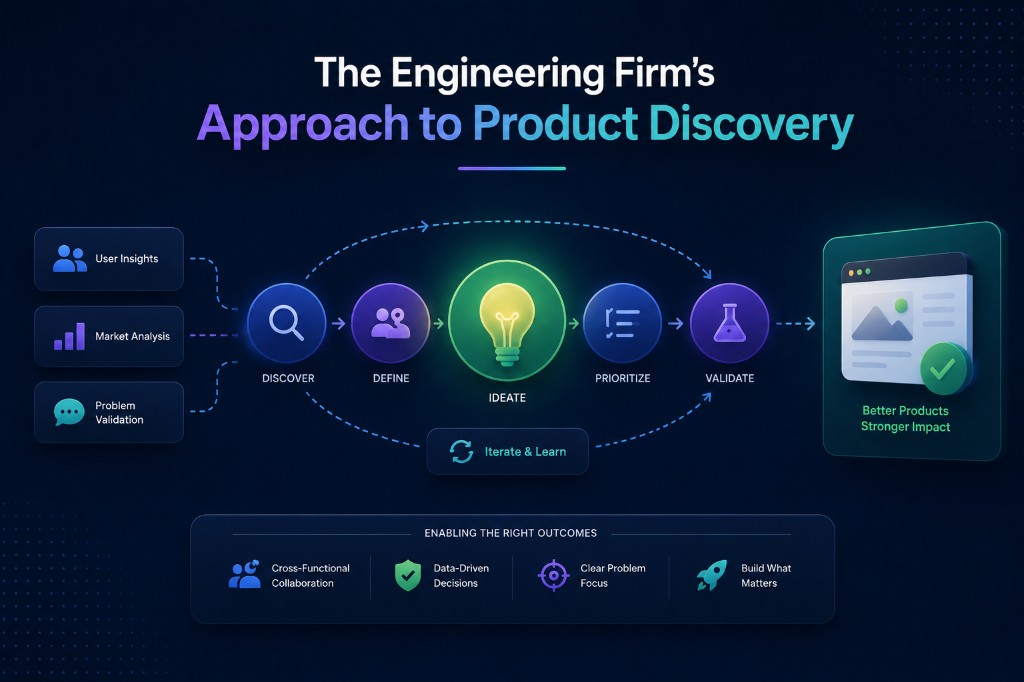
How we blend technical feasibility with user desirability early in the product lifecycle — before a single line of code is written — so custom builds solve the right problem.


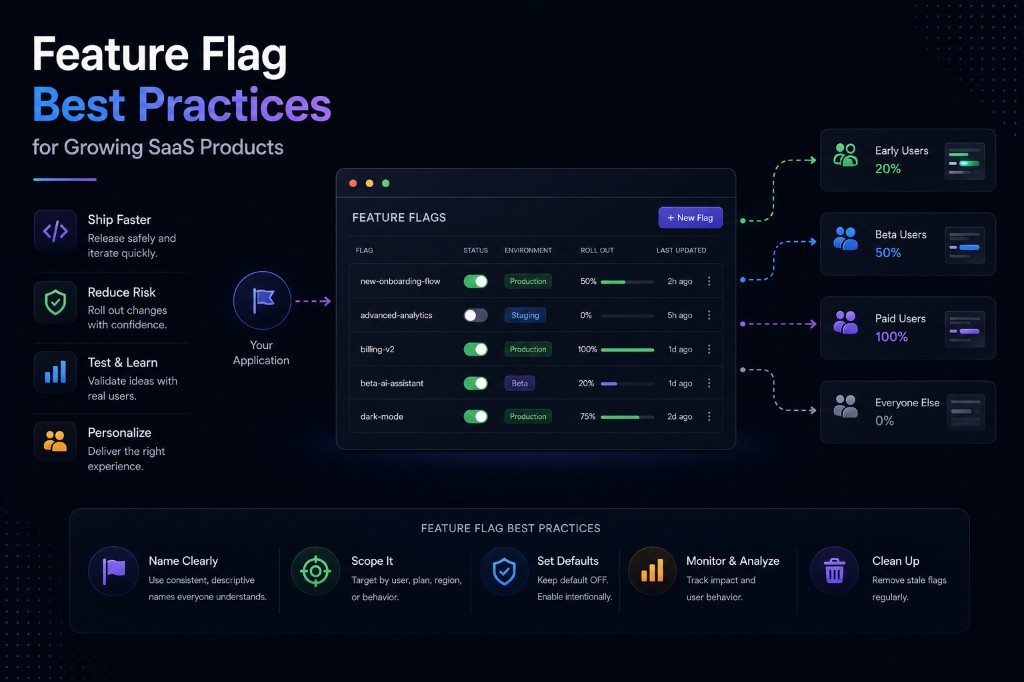
Governance, kill switches, and experiment hygiene so feature flags accelerate delivery instead of becoming permanent configuration debt.


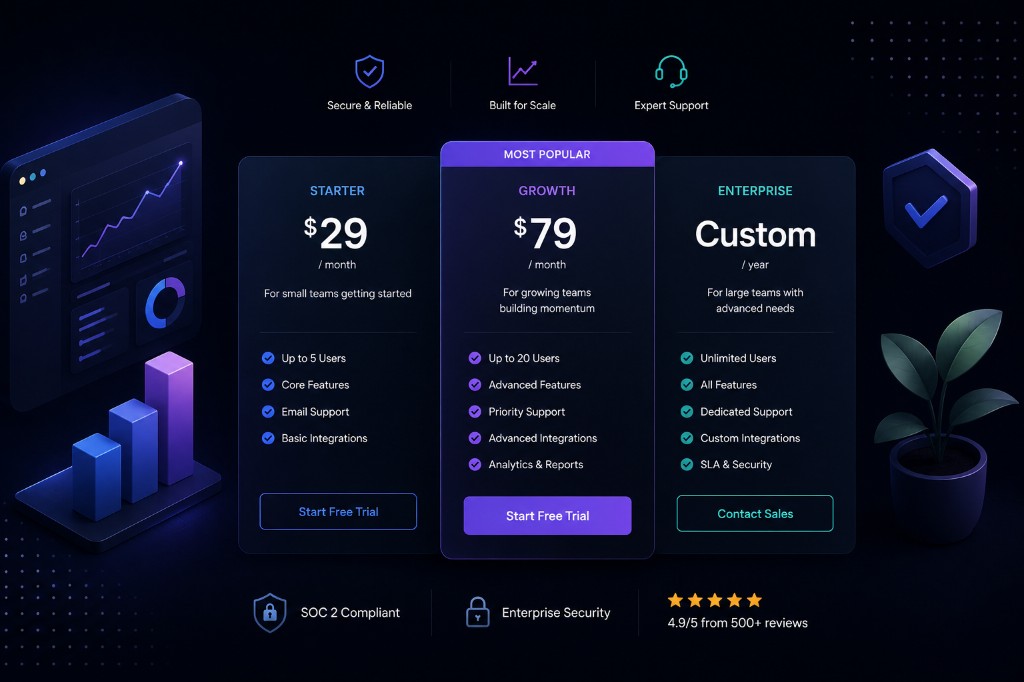
Packaging, tier psychology, and the engineering behind interactive calculators that sales teams actually trust — and buyers convert on.


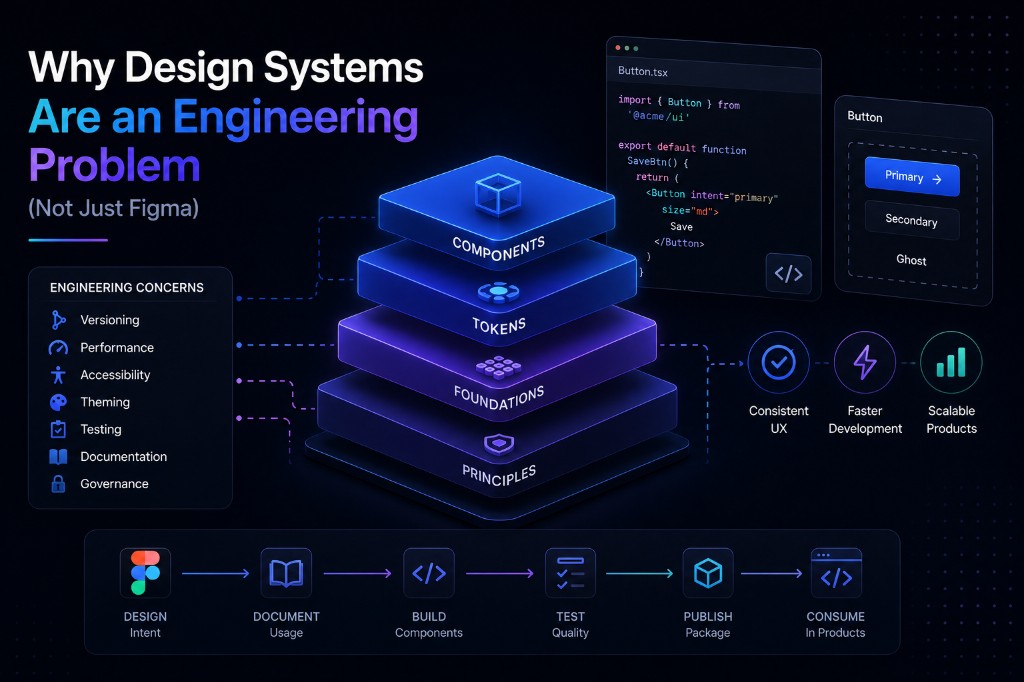
Bridging the gap between Figma components and React codebases for true organisational scale: tokens, theming, accessibility contracts, and release management.


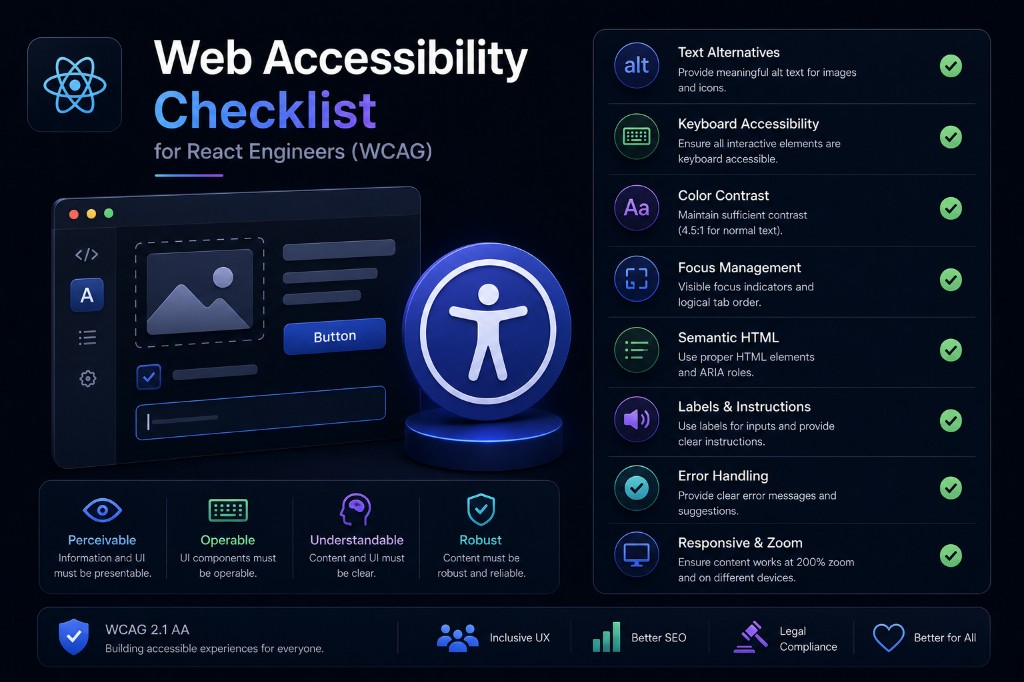
Concrete WCAG checks wired into PRs — focus management, contrast, and live regions without turning accessibility into bureaucracy.


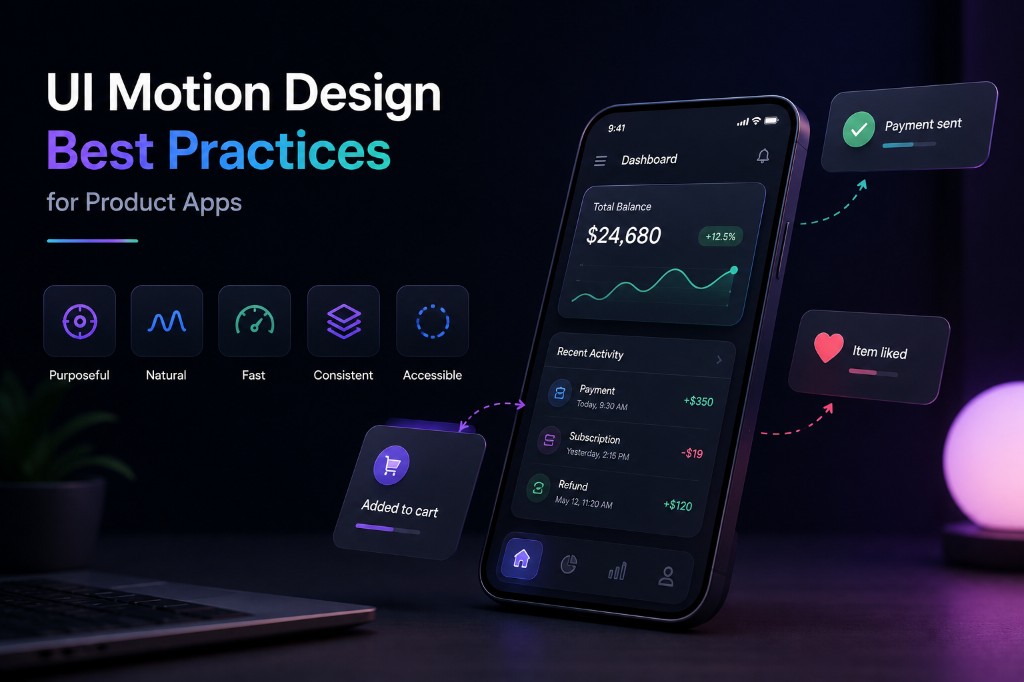
How purposeful transitions communicate hierarchy and state — without slowing perceived performance on mobile networks.


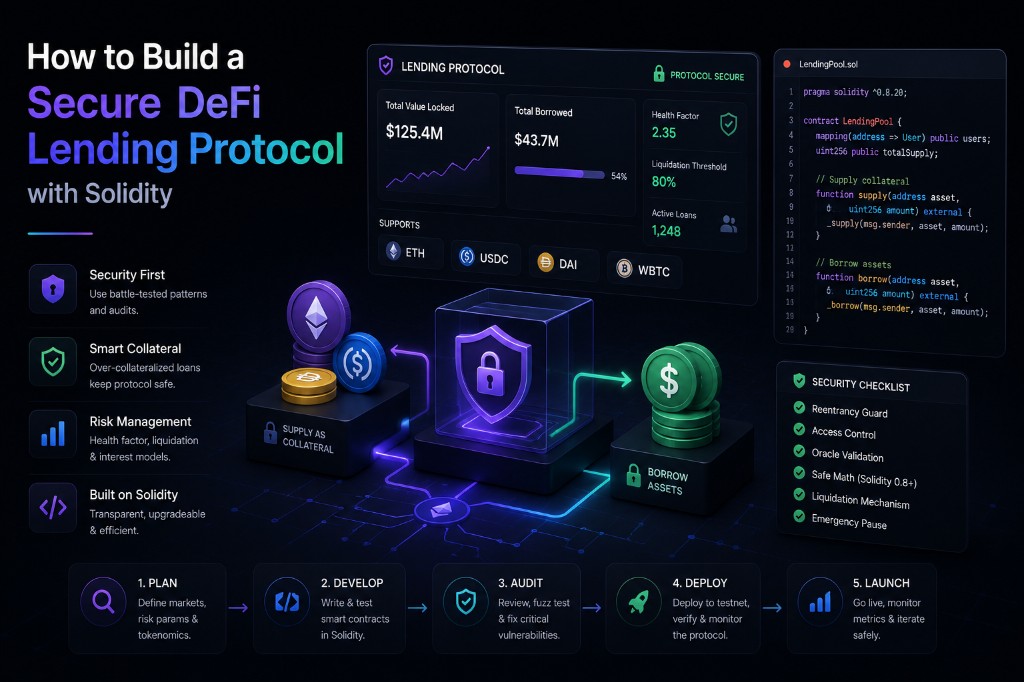
A hands-on walkthrough of building a secure, auditable lending protocol — covering reentrancy guards, oracle risk, liquidations, and gas optimisation.


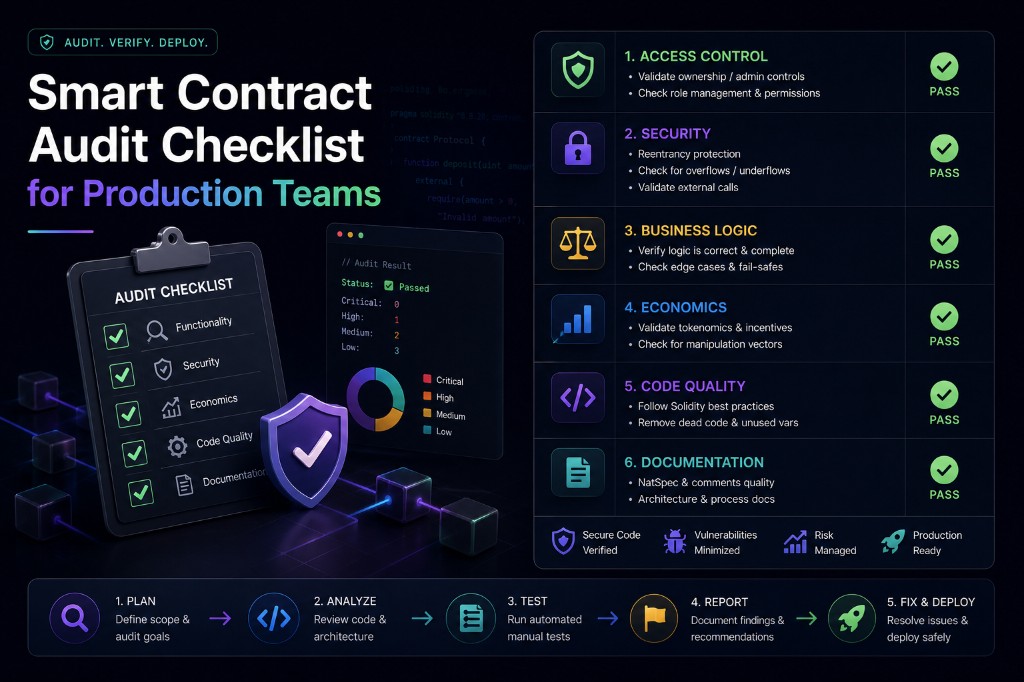
Before any external audit, run this internal pass — covering access control, economic exploits, oracle assumptions, and upgrade safety.

Whether you need a web or mobile app with AI integrations, blockchain work, or a conversation about our AI products — tell us what you're building and we'll respond fast.
How we write, how often we publish, and how you can contribute or stay in the loop.
Blogs are written by Automative Tech’s engineering leadership — Muhammad Talha Zubair, Bilal Hassan, and Umar Khalid — based on production web, mobile, AI integration, and blockchain work.
We lead with custom web and mobile delivery with AI integrations — Next.js, React, React Native, Flutter, and LLM features. Selected posts also cover blockchain, AI products, and cloud when they support shipping real products.
A few deep pieces per month. We prioritize substance over cadence.
Yes with attribution and a link back to the original. For syndication, contact us for a simple agreement.
Occasionally, when the author has real production experience. Pitch a short outline via the contact form.
Follow the social links in the footer, or contact us to ask about engineering notes updates.